
Winter at Vaishno Devi feels like two different worlds. The Bhawan, sitting high on the Trikuta Hills, gets actual snow from late December through February, but Katra usually sees chilly rain and damp weather. Because recent years have been unpredictable, like the strong season-start snowfall in late January 2026 that paused the yatra and blocked roads, your plans shouldn’t be set in stone. Stay flexible.
What should you pack? This guide covers where to find snow and how to travel safely from Katra and handle official warnings. You’ll find advice on shoes, shelter, and medical help on the track. Picking the right hotel keeps you warm and connected during your winter yatra.
Key takeaways
Review these pointers before you travel.
- While the Bhawan gets buried in snowfall from late December, Katra usually sees only cold rain.
- Pack heavy woolens and thermals because the air chills to minus 5 degrees.
- Severe storms might ground helicopters or pause battery cars, yet the shrine stays open.
- Walking on frozen paths requires solid traction. Wear insulated boots and don’t forget extra socks.
- If the mountain weather turns sour, the Board manages heated halls and medical stations for all pilgrims.
Does snowfall occur in vaishno devi?
Yes, you can definitely see snow here. While Katra at the base stays mostly wet and snow free, the higher Trikuta Hills around the Shri Mata Vaishno Devi Bhawan see white flakes during the colder months.
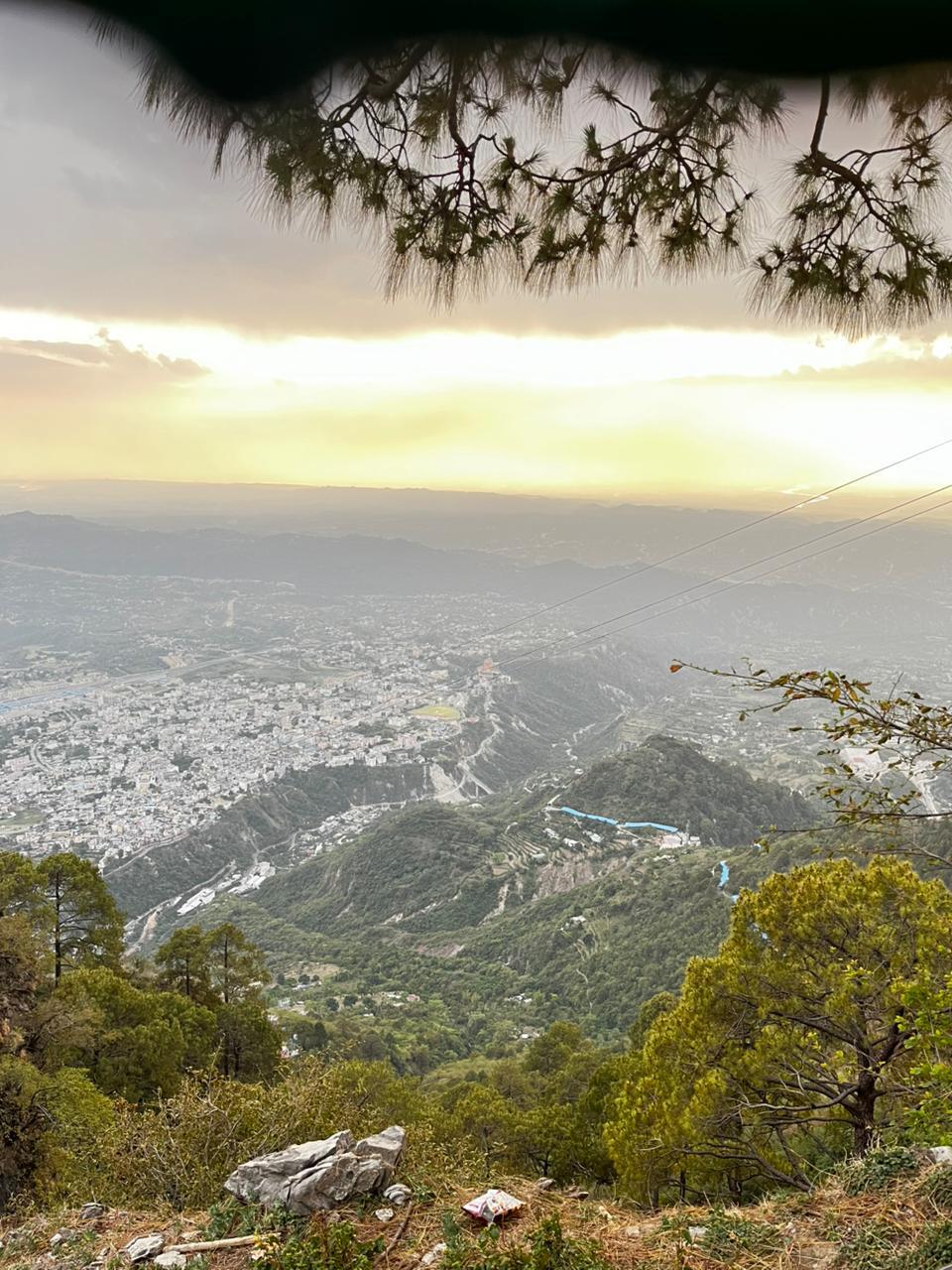
Elevation changes everything about your trek. Katra sits in the foothills at 750 to 900 meters, where days are chilly but usually above freezing. At 1,584 meters, the Bhawan feels noticeably colder. Because it is so much higher, the air is colder, and the ground can actually hold onto the snow. You should view the path as two climate zones. As you climb, the weather turns from a standard winter day into a mountain environment.
Snowfall is seasonal and happens in stages, so it is never a guarantee. You’ll mostly see it from late December through February, though the intensity varies every year. Some seasons only have a dusting, while others have heavy spells. Pack for freezing weather. Don’t expect the same conditions every day. The best time to visit Katra depends on what you are after snow on the Trikuta Hills, or a dry track and lighter layers.
When does snow fall at the shrine?
If you want to catch snowfall in vaishno devi, visit between late December and February to see the white peaks. January often brings the heaviest accumulation. Up at the Bhawan, temperatures usually drop below freezing during the night when cold snaps hit. This chilly air helps the flakes stick to the ground. Because moisture moves in from the western Himalayas, a thick white blanket often covers the shrine for several days.
Nature doesn’t follow a strict calendar. While one year brings a white Christmas, the next season could stay dry until mid-January. Visit in January if your main goal is feeling the frost. It is smart to keep your travel dates flexible. Katra’s January peak overlaps with the northern hills, so you can line it up with other winter destinations in India without chasing a different season.
Katra snowfall and base camp conditions
You will find that conditions change quickly between the base and the shrine, so it helps to know what you should expect.
| Location | Typical dec to feb conditions | What visitors see | Practical tips |
|---|---|---|---|
| Katra (base camp) | Cool and damp with daytime temps usually above freezing | Cold rain, sleet, or heavy overcast but rarely snow in town | Pack warm layers, a waterproof jacket, and an umbrella while choosing lodging near the station |
| Bhawan / Trikuta Hills | Near or below freezing at night with higher exposure to winter storms | Snow covered paths and scenic white views during spells | Wear insulated footwear with grip, gaiters or waterproof socks, and carry traction aids |
| Bhairon Temple and ridge | Colder and windier than Bhawan and often the first to see heavy snow | Broad white scenery and wind exposed trail sections | Allow extra time, use sturdy boots, and consider walking poles or a stick |
Because Katra sits at a lower elevation, the weather there feels milder. If you see snow covering the Bhawan, you should expect Katra to stay wet and slippery rather than turning white. Roads, sidewalks, and buses near the base often get messy after it rains. You’ll see local crews acting fast to salt the busy stairs, and the Shrine Board usually brings in more staff when the weather gets rough. You should wear shoes with good grip and prepare for chilly air if you arrive in December.
Katra in December weather
Katra in December stays cool and frequently damp. You will notice daytime temperatures generally stay above freezing, but the nights turn much colder. In town, you’re more likely to see rain or sleet than actual snow. The white stuff usually sticks to the higher parts of the trail. Since the nights are cold and the moisture stays on the ground, you should watch out for slippery paths after rain or mist, especially during the early hours. It’s a good idea to keep a light waterproof jacket with you. Also, pack a warm hat for those chilly evenings when the sun goes down and the mountain air starts to bite.
How to plan a vaishno devi winter trip
You really need to plan ahead for a trip like this. It is best to choose a flexible travel window and pack your bags thoughtfully. Adding a buffer day on either end of your schedule helps you manage any unexpected delays caused by the weather.
- You should start by reaching Jammu via a flight or the train network.
- From there, hop on a bus or hire a taxi to Katra, but remember that traffic moves slowly when conditions are tough.
- Once you arrive, decide if you’ll trek on foot or use a pony or palki. You can also look into the battery cars or the helicopter, though these aerial services often stop running if the weather turns sour.
- Keep a close eye on the official Shrine Board updates and local weather alerts before you start your climb.
- Pack your heavy layers and make sure your itinerary includes an extra day just in case things get backed up.
Your packing list and cold weather tips matter for a smooth trip. When preparing for snowfall in vaishno devi, you will need thick woolens, thermals, a warm hat, and waterproof gloves. Don’t forget an insulated pair of boots with a solid grip because the paths get slippery. If you visit katra in december, a sturdy walking stick is a lifesaver on the icy slopes. The Shrine Board does offer blankets for a refundable deposit, but you shouldn’t count on them being available if the crowds are huge. Pace yourself the way the tips for your first trek suggest, because a slow, even rhythm beats short bursts when the air is cold and the stairs are wet..
Keep your health in mind while you travel. Safety while visiting vaishno devi in winter is all about pacing. The climb is steady, yet the chill makes it easy to slip. If you bring elderly parents or small children, it might be smarter to book a palki for them. Carry your medicine and drink water. Even with a light katra snowfall, stay slow and steady as you head up the mountain.
How to track safety and yatra advisories
Stick to official sources. The Shrine Board manages all primary yatra advisories, while local teams handle track closures or medical emergencies. Because conditions can shift fast, relying on verified updates is the safest bet for every pilgrim.
- Look at the latest updates from the Shrine Board or district office before starting your climb.
- When officials confirm the path is clear and safe, you can continue your journey carefully.
- If authorities close the route, remain in Katra and listen to directions regarding transport or temporary housing.
- Seek assistance from medical booths or dial emergency numbers if anyone in your party feels unwell.
Don’t try to use unofficial paths or shortcuts if the yatra stops. You should stay in your hotel or use the public rest halls until the path opens again. If the weather turns bad while you are walking, find the nearest shelter shed and tell the police or a Shrine Board worker. Stations for medical aid sit along the route with oxygen and basic care supplies. Asking for help immediately is best if you feel the effects of the cold or the altitude.
Where to stay near Katra
Start with the basics. You want a place that fits your style and keeps you warm. Think about how close you are to the train station or the bus stand. Check the refund rules. Make sure the room actually has heaters.
| Type | Typical cost range | Best for | Key trust signals |
|---|---|---|---|
| Shrine Board rooms | Low | Budget pilgrims or short visits | Official booking desks, extra blankets, basic heaters, clear rules |
| Local hotels and guesthouses | Mid | Families and those seeking comfort | Verified bookings, close distance, readable refund terms, heating units |
| Hostels and social stays | Budget to mid | Solo or young travellers wanting a community | Clean dorms, private rooms, lockers, privacy curtains, lounges, 24 hour help |
| Dharamshalas | Very low | Travelers on a tight budget | First-come rooms, simple facilities, useful for arrivals with no plan |
When you visit in the cold months, you should verify if the place offers space heaters or electric blankets. Security matters too. Picking safe social accommodation comes down to digital locks, lockers that work well and a front desk staffed through the night. A hostel might be your best bet if you want to swap stories in a lounge after a long hike. Still, families usually lean toward private hotels where hot water is a guarantee. During the colder months, booking flexibility is a big deal. Bad weather often pauses train schedules or forces officials to stop new yatra registrations without warning.
Try to find a room near the Katra bus stand or the rail station because this makes a quick exit easier if your plans change. You should ask if the staff knows how to handle guests during a cold snap. If you go for a shared dorm, check for privacy curtains and fresh bedding. Choosing a hostel allows you to meet other travelers who can share tips about the trail or local food.
Conclusion
From December to February, Vaishno Devi’s shrine area often turns into a snowy scene.
Katra’s damp and chilly even when the Bhawan is white. Snow falls in quick bursts here. Stay flexible.
Don’t let the weather surprise you. Grab heavy coats, boots, and a rain jacket. Check official Shrine Board updates before leaving, and make sure to pick a hotel with good heating. A winter yatra is safe and peaceful if you do not rush.
FAQs
1. Does Jammu city experience snowfall during the winter months?
It is quite rare to see snow on the streets of Jammu. Since the city sits at a much lower altitude than the shrine, the ground generally stays clear even when you visit Katra in December. You’ll still need to prepare for the bitter cold during January.
2. Are helicopters operational at Vaishno Devi during active snowfall?
Visibility levels dictate whether pilots can fly safely. For the protection of everyone on the mountain, officials pause helicopter trips between Katra and Sanjichhat during a heavy Katra snowfall or when thick fog rolls in. Flights only resume once the sky clears and the wind finally dies down. Safety comes first. It’s smart to check your flight status before reaching the helipad. You should call the support office to confirm if your trip is still on schedule.
3. Is the original Holy Cave open for darshan during the winter?
The Bhawan and the natural cave stay open for pilgrims all year round, even during vaishno devi in winter. Shrine staff might change how they manage large groups to keep the crowd moving. It is wise to check weather updates before you start your journey. Crowd control measures are meant to prevent accidents on the slippery paths.
4. What happens if the yatra is suspended due to bad weather?
Because mountain slopes are steep, safety is the priority. If authorities decide to stop the trek because of heavy snowfall in vaishno devi, do not try to go around the barriers. Stay in Katra. Use the official shelters that the board provides. You must wait for staff to give the green light before you head back up the trail.
5. Are blankets provided for free along the trekking route?
Bedding is one thing you don’t need to pack. The Shrine Board provides blankets at various rest halls to keep pilgrims warm. A small security deposit is required. You get this cash back as soon as you return the blanket to the counter. This system ensures everyone has access to clean covers.
6. Can I find medical assistance on the track in case of cold-related illness?
Should you feel sick, medical help is never far away. Trained staff wait at checkpoints along the path and at the Bhawan to assist anyone struggling with the altitude or the freezing air. These units carry oxygen tanks and medical supplies. If a serious issue arises, you must go down to Katra immediately for treatment. Emergency workers are prepared to handle cold-related illnesses at any time of day.