
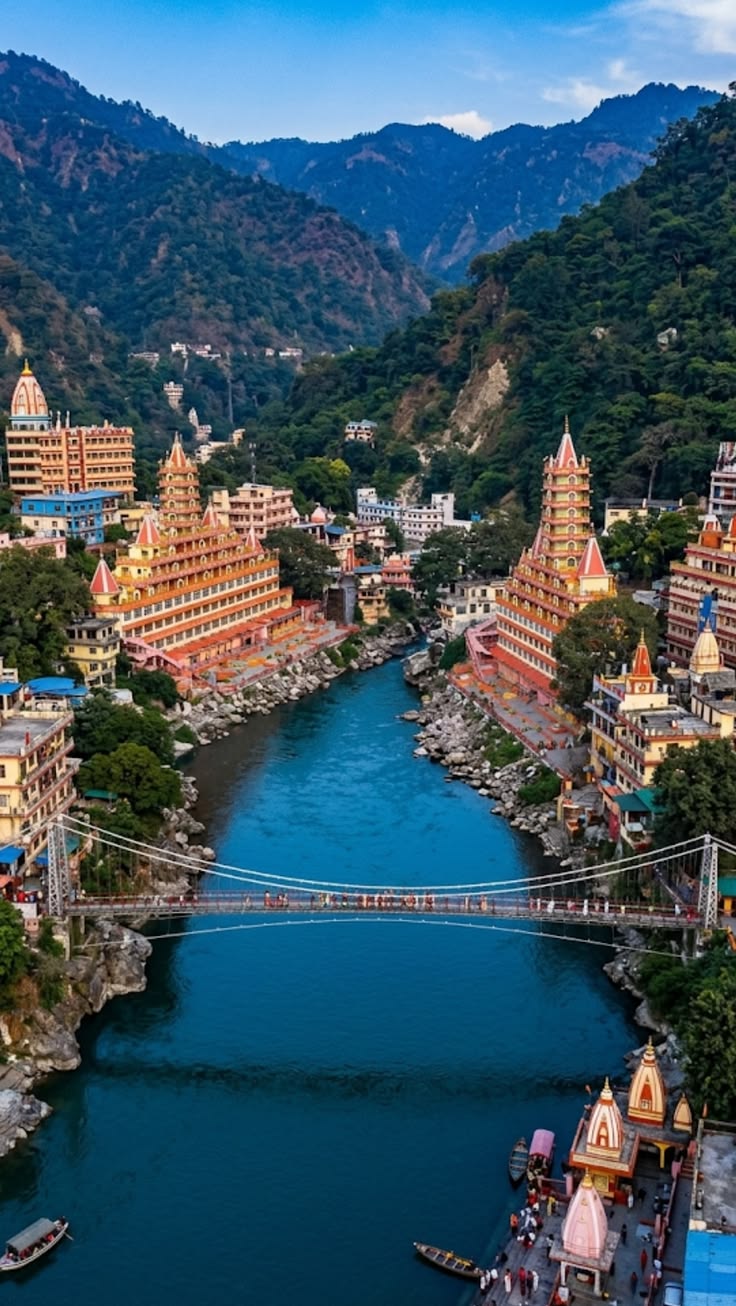
Spending seventy-two hours in this riverside town lets you experience the Ganges while testing your limits with outdoor sports. You’ll find time for quiet sunrise prayers too. This rishikesh itinerary for 3 days lets you swap temple bells for the roar of white water in a single afternoon.
Why not stay in Tapovan or Laxman Jhula to make moving around easier? Tapovan’s great for yoga and coffee by the water. If you want to be near busy markets and old temples, Laxman Jhula’s the better choice. You shouldn’t forget a small dry bag for your electronics. Verify your rafting meeting spot right after booking. It’s best to choose a hostel with lockers so your gear stays safe.
3-day rishikesh itinerary
Start day one by settling in with cafe mornings and trips to the ghats. The second day is for rafting and cliff jumping. Day three starts with dawn at Kunjapuri and waterfall hikes. Three days is enough to see the highlights if you stay in Tapovan or Laxman Jhula.
Location matters. Tapovan gives fast access to yoga studios, various cafes in rishikesh, and the Beatles Ashram, while Laxman Jhula sits between local markets and the traditional ghats where evening aarti takes place. Plan mornings for yoga or cafe breakfasts. Use afternoons for rafting. Evenings are for aarti or live music. Don’t forget light layers and a waterproof bag for the river. If you want a clear view at Kunjapuri, you’ll need an early start.
| Day | Focus | Morning | Afternoon | Evening |
|---|---|---|---|---|
| Day 1 | Cafes and ghats | Check in and find a riverside cafe breakfast | Browse markets and visit the Beatles Ashram | Watch Ganga Aarti at Parmarth Niketan |
| Day 2 | River adventure | Shivpuri rafting and swap into dry clothes | Try cliff jumping or relax at a shack | Visit a rooftop cafe or stroll the ghats |
| Day 3 | Sunrise hikes | Pre-dawn trip to Kunjapuri for sunrise | Hike to Neer Garh Waterfall to swim | Visit the market before you depart |
Can you see it all in three days? For an efficient rishikesh 3 day itinerary, the answer is a clear yes. Just prioritize your stops and avoid distant trips. If you want a slower pace, turn this plan into a relaxed long weekend instead.
Day 1 – cafés, ashrams and ghats
Do not rush. You can use this first day to get used to the altitude while feeling the river’s pulse. Once you’re checked into your Tapovan hotel, find a breakfast spot with a river view. These cafés don’t skimp on coffee. Since you’ve probably traveled quite a distance now, watching the crowds by the river helps. You will want to stroll across Ram Jhula to browse markets for gifts or snacks. Spend your afternoon wandering through the murals at Chaurasi Kutiya, known as the Beatles Ashram. A quiet walk along the stone ghats helps you cool off. Finish your evening at Parmarth Niketan’s Ganga Aarti, but arrive early for a spot at sunset.
Day 2 – rafting and adventure
You’ll spend today getting soaked in the rapids before you relax by the water.
Choose a licensed guide for a morning white-water rafting trip through Shivpuri. Most trips last about half a day when you include travel and gear changes. When you’ve finished the run, you can try a supervised cliff jump or just grab a snack at a riverside shack. Hot chai and grilled corn are perfect for when you’re drying off.
If you’ve got energy left, visit a temple. Later, you’ll enjoy the evening music at the ghats.
Day 3 – sunrise and waterfalls
Wake up early to finish your trip on a high note.
Most people book a car to Kunjapuri Temple to see the sunrise hit the Himalayan peaks. It’s a sight that makes the early alarm worth it. After coming down, walk to Neer Garh Waterfall for a short hike and a dip in the cold mountain pools.
Walk through the Laxman Jhula markets and grab food. Pack up by mid-afternoon. If you do not want to miss one last sunset on the ghats, stay later.
Where to stay in rishikesh
Where you choose to sleep sets the tone for your whole trip. You might want a balcony overlooking the water for morning meditation or a busy street corner where the food is best. Picking the wrong neighborhood usually leads to a noisy night when you really needed rest.
| Neighbourhood | General vibe | Best for | Safety and social extras |
|---|---|---|---|
| Tapovan | Yoga and river views | Healthy food and the Beatles Ashram | Electronic locks, lockers, and common rooms |
| Laxman Jhula | Active and crowded | Shopping and river access | Privacy curtains, tidy rooms, and 24 hour support |
| Muni Ki Reti | Peaceful water views | Quick rafting starts and quiet evenings | Secure private rooms or shared setups |
- Tapovan is a solid choice for anyone who wants to walk from their room to a yoga class before grabbing an organic coffee.
- If you want to be near the main markets and ghats, Laxman Jhula is the place to go. Travelers on a budget who want a safe environment often pick goSTOPS because it is easy to meet people there.
- Booking a rafting shuttle early is a smart move if the hotel is far from the Shivpuri start point, as it cuts costs and makes life easier. You can also check if the front desk can pair you with other guests for the ride to the river.
Best neighborhoods
Every district has a specific feel, so the right choice depends on your personal travel style.
- Anyone looking for organic dining and proximity to the Beatles Ashram should head to Tapovan.
- You will find the city’s largest temples and busiest shopping lanes right outside your door if you stay in Laxman Jhula.
- For those who want to avoid the heaviest crowds, Muni Ki Reti has a quieter riverfront setting that allows for a fast start to rafting trips.
goSTOPS options
Gostops hostels are social hubs where finding a group for the day is simple. Staff members often help coordinate shared excursions, which takes the pressure off planning every single detail by yourself.
- The facility uses electronic locks and lockers for security, and privacy curtains help the shared rooms feel a bit more personal.
- While many people choose a bunk to save money and meet others, a private room is a better option for families or those who need a quiet night.
Rafting and other adventure activities
Rafting on the river is usually the main attraction, but a little planning makes the day better. You’ll need to select a provider with a valid permit. Make sure to ask when the Shivpuri pickup starts. Most trips take about four hours. That’ll leave your afternoon open to visit a local ghat.
Rates often change based on the route or the time of year. Don’t forget to have cash on hand.
Safety checklist
- Checking for valid permits and enough helpers is the first step.
- Put on a life vest and store your wallet in a waterproof bag.
- Instructors need to know about your health issues, and you should keep an ID card in a plastic sleeve.
White-water rafting
You might find Shivpuri is the most popular choice for your trip. It offers 16 kilometres of Grade II to IV rapids for mixed groups and beginners. Book early. Weekends often fill up fast during the peak season. While operators take walk-ins on weekdays, don’t forget to confirm your pickup point. Wear a fitted life jacket and helmet, listen to the guide, and use a dry bag for valuables.
Bungee jumping and flying fox
After the rafting trip ends, you can find bungee jumping and flying fox glides near Rishikesh. Go early.
- Bring your ID and check weather reports before you go.
- It’s best to book your ride early to save time for resting.
Cliff jumping safety tips
Stay alert while jumping.
- You should jump where pros watch, check the depth, and listen to your guide so you stay safe.
- Pack dry clothes, a medical kit, and water shoes.
- Stop if it rained hard since river currents change very fast.
Yoga and meditation spots
Finding time for a session in Rishikesh isn’t hard, even on your packed schedule. Morning classes right by the water offer great views. Many shalas provide drop in slots; these fit a rishikesh itinerary for 3 days well. Visiting an ashram isn’t difficult for you. You need modest clothes and an early arrival to grab your spot. While dawn sessions aren’t noisy, meditation groups often start with a quick introduction for anyone new.
Riverside yoga
People head to riverside sessions because the air feels so crisp.
- You’ll want to expect one hour sessions that combine poses with breathing, though keep in mind some spots run on donations.
- Pack a sweater for the chilly morning air, then finish your practice before the next stop.
Major ashrams and centres
See what works for you.
- Parmarth Niketan offers yoga classes that don’t start without the nightly Aarti ceremony nearby.
- Smaller Tapovan studios host Hatha sessions that aren’t for experts only.
Temples, ghats and aarti
Success with these spiritual landmarks usually comes down to timing. You should probably aim to reach the riverbank by sunset so the morning hike does not leave you feeling rushed. It is a long walk if you aren’t ready for it. The physical toll of mountain steps often surprises visitors.
- Arriving thirty minutes early makes it much easier to find a good spot for the ceremony.
- Respect the area by wearing modest clothes, leaving shoes at the entrance, and observing how locals behave.
- Travelers coming from a rafting trip typically need extra time to clean up before things start.
Triveni Ghat aarti
This location has a quiet and personal atmosphere. Many local residents prefer this spot for their daily prayers.
- Finding a spot near the water is easier if you arrive well before the crowds.
- Buy lamps only from authorized vendors and maintain a respectful silence throughout the ritual.
Temple highlights
Even though the gates stay open, your visit will feel different depending on the hour. The heat can be intense. By noon, the brick and stone underfoot get quite hot.
- Climbing the various levels of Tera Manzil gives you a fantastic view of the river from the top.
- Go to Neelkanth or Bhootnath during the cool morning hours because the midday sun is often quite harsh.
Kunjapuri sunrise
Early wake up calls are the only way to see the sun hit the Himalayan peaks.
- Reaching the summit before dawn usually requires booking a driver or joining a group trek early.
Cafes, markets and riverside eats
You’ll find that a solid meal makes the trip. Plan your cafe lunch for that first afternoon. After you finish rafting on your second day, eat by the river. For a final dinner on the third night, book a table early. Most spots stay vegetarian, but they still serve hot tea and dishes you will recognize.
Popular cafe picks and visiting times
- You can watch the sunset over the water from the balcony at Little Buddha Cafe.
- The 60’s Beatles Cafe has enough room to seat your group comfortably at lunch.
- Many people pick Ganga View Cafe because the menu is straightforward and the food stays consistent.
Local markets and souvenirs
- You will find rudraksha beads and wellness books in the shops near Laxman Jhula.
- If you buy handicrafts, start your offer about 20 percent lower than the price.
Conclusion
Follow this rishikesh itinerary for 3 days if you want a mix of yoga, wild river thrills, and calm vibes.
You should stay in Tapovan or Laxman Jhula. It helps you save time on travel. Since weekends get crowded, you’ll need to book activities early. Grab a bed at goSTOPS. It is a great way to meet people. These social spots offer safety and help you find new friends for your journey.
FAQs
1. How much does a 3 day trip to Rishikesh cost?
A budget-friendly 3 days rishikesh tour usually sets you back between ₹6,000 and ₹9,000 for each traveler. This rough estimate covers a bunk in a social hostel, basic local meals, and a standard rafting trip. If you decide to add bungee jumping or prefer the comfort of private cars, your daily spending will spike quickly. It is a price that covers the basics without too much luxury.
2. Is Rishikesh a dry city?
The town is strictly dry. Authorities restrict alcohol and non-vegetarian food in public because of the city’s religious importance as a holy pilgrimage site. You will find plenty of local vegetarian cafes instead that serve fresh meals. Most businesses follow these traditional customs strictly, so it’s just part of the local atmosphere you will experience in the area.
3. When is the monsoon season and what is closed?
Heavy rains typically hit between July and the middle of September. Because river levels get dangerously unpredictable, safety officials shut down white water rafting and most activities near the water. If you choose to visit during these months, watch your step on the trails. The paths get very slippery when wet. Do not forget a raincoat. Roads often close during this time due to small landslides, which can delay your travel plans really badly. Always check local news before leaving your hotel in the morning.
4. What is the best way to get around Rishikesh?
Grabbing a scooter for ₹400 to ₹600 per day is the best way to handle the narrow streets. While walking works perfectly for the ghats around Tapovan, you should hire a taxi for longer trips to Kunjapuri or Shivpuri. The winding mountain roads can be tricky for inexperienced riders. Safety should come first when you’re climbing those steep hills, especially after dark. It is easy to get lost on the trails at night.
5. Is it necessary to book rafting in advance?
Book your spot on the river before arriving if you plan to visit on a weekend or during the peak summer months. Finding a seat on a quiet Tuesday afternoon is usually easy, but booking ahead removes the stress of sold out slots. It’s the only way to make sure you get to hit the big rapids when the town is packed with tourists.