
Event ended
Antaranga
a Navarasa retreat
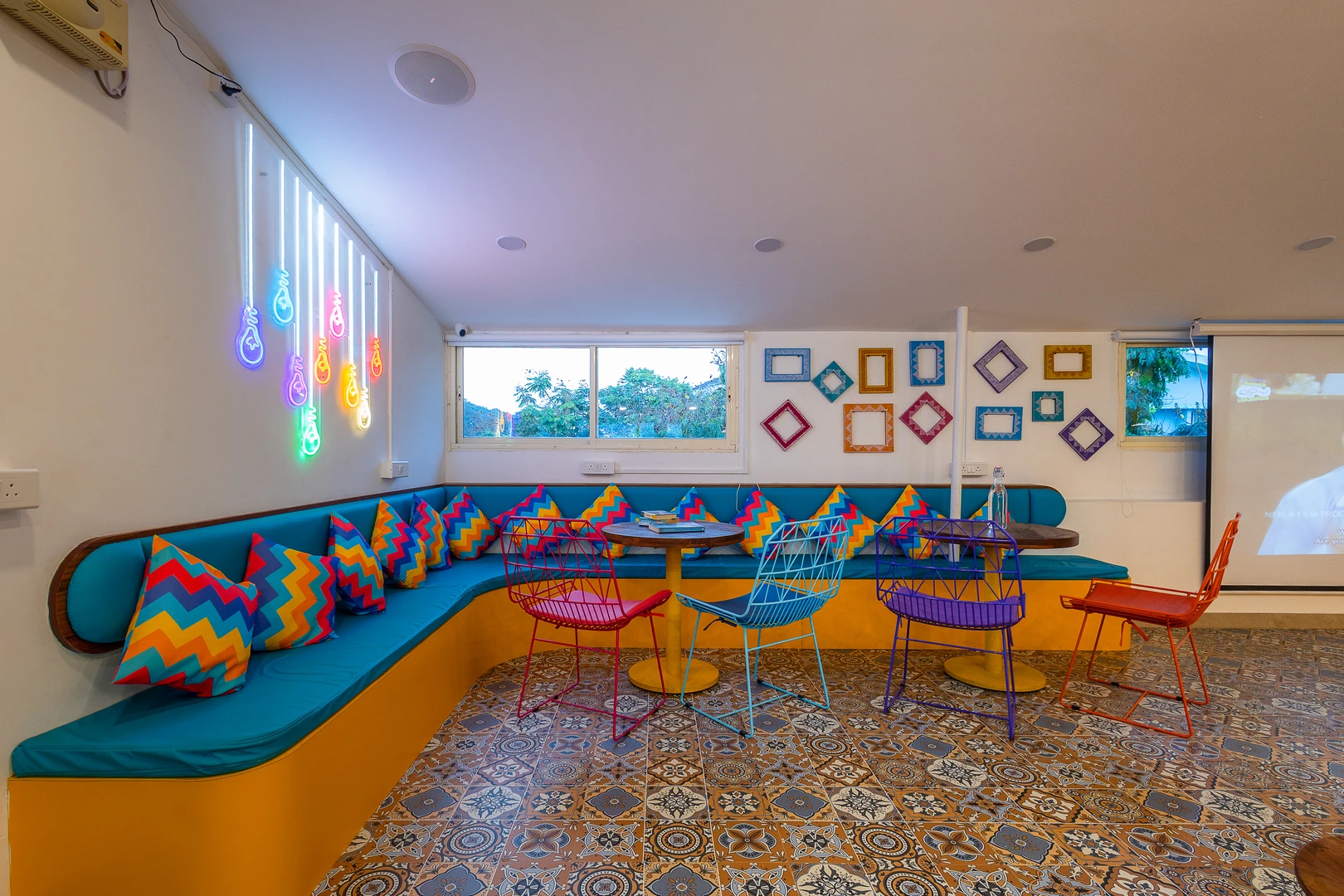
The inner landscape of emotions. Three days moving through the Navarasa — the nine classical emotions — breath and body first, reflection after. Facilitated by Arka Mukhopadhyay & Pompi Banerjee at goSTOPS Candolim PLUS.
This retreat has ended. Bookings are closed.
THE RETREAT
Your emotions are the ocean. Learn to witness the waves.
Antaranga moves you through the Navarasa — the nine rasas of classical Indian aesthetics — one at a time, over three days. Each emotion is explored through breath, body and movement first. Reflection and journaling follow, tied to your own lived experience, not a textbook.
There's no theory-heavy lecture on the Natyashastra here — just enough context to orient you, then straight into the body. Think of your emotional landscape as an ocean: joy, grief, anger, fear, wonder — each one a wave that rises and dissipates on its own. This retreat helps you stay rooted on the shore, witnessing each wave fully as it arrives and passes, rather than being pulled under and carried away by it.
THE THREE-DAY ARC
Ground, then move through all nine
Day Zero · Arrive & ground
An icebreaker, then mindful breathwork, Tibetan singing bowl work, and a slow floating movement sequence — a glimpse of every technique the retreat will use.
Day One morning · Hasya & Karuna
Breath, body and movement through laughter, then grief — settled with journaling and held together as "no joy without grief."
Day One after lunch · Raudra & Sringara
The same embodied structure, moving through anger and love, closing with a chart-paper reflection on how the practices carry into daily life.
Day Two · Adbhutam to Veera
Wonder and disgust, then fear paired with courage — and the full Navarasa Boxes exercise, drawing together every rasa explored across both days.
THE NAVARASA
Nine emotions, in the order you'll meet them
1 · Shantam
Stillness. Where Day Zero puts you before anything is named.
2 · Hasya
Laughter. The first rasa you move through, and the easiest to fake.
3 · Karuna
Grief. Paired with laughter on purpose — no joy without it.
4 · Raudra
Anger. Given room in the body rather than talked about.
5 · Sringara
Love. The counterweight to anger, in the same afternoon.
6 · Adbhutam
Wonder. Day Two opens with curiosity rather than effort.
7 · Vibhatsyam
Disgust. Explored as the other side of wonder, not its opposite.
8 · Bhayanaka
Fear. Approached slowly, at a pace you set.
9 · Veera
Courage. Where fear goes when you stop running from it.
The outcome
What you
take home
Not a certificate, and not a fix. Three days in, you leave with a practice you can actually repeat, a vocabulary for what you feel, and the experience of having sat with all nine of them.
THE THREE-DAY FLOW
One rasa pair at a time
Breath, body and movement, then reflection.
Arrive · Ground · Begin
Day Zero · Sept 25 (evening) · Initiation
Icebreaker
A gentle introduction session to build group ease, and a glimpse into the techniques that will be used during the retreat.
WelcomeBreath work
Simple mindful breathwork, introduced slowly.
SessionSound work
Tibetan singing bowl work layered onto the breathing, to aid focus.
SessionMovement
Gentle movement work, starting with the eyes, then a slow, “floating” movement sequence.
SessionSound + movement
The singing bowl sound is reintroduced while participants are moving.
SessionClosing check-in
A brief “how are you feeling” round.
CircleDinner, then sleep
BreakHasya · Karuna · Raudra · Sringara
Day One · Sept 26
Morning breath and bodywork
Grounding and energising through breathwork, somatic activation and Kalaripayattu movements.
SessionBreakfast + rest
BreakIntroduction to Navarasa
A brief mention of the Natyashastra and Abhinavagupta, with a light touch on the nine rasas — no heavy theory.
SessionRasa block 1: Hasya & Karuna
Breath, body and movement exploration of Hasya, followed by settling and journaling, a short tea break, and the same structure for Karuna — held together as “no joy without grief.”
Hasya · KarunaLunch
BreakRasa block 2: Raudra & Sringara
Embodied-exploration structure, moving through anger and love.
Raudra · SringaraChart-paper reflection
Participants are guided towards journaling and building insight into how they will use the practices in their everyday life.
CircleUnstructured downtime
Music, walking, or simply resting — no formal session, to allow recovery.
FreeAdbhutam · Vibhatsyam · Bhayanaka · Veera
Day Two · Sept 27
Morning breath and bodywork
Grounding and energising through breathwork, somatic activation and Kalaripayattu movements.
SessionRasa block 3: Adbhutam & Vibhatsyam
Adbhutam and Vibhatsyam explored as two sides of an experience.
Adbhutam · VibhatsyamLunch
BreakRasa block 4: Bhayanaka & Veera
Fear paired with courage and heroism.
Bhayanaka · VeeraNavarasa Boxes exercise
Drawing together every rasa explored across both days.
CircleValedictory session + feedback
Short closing remarks and quick feedback collection.
CircleRetreat closes
The workshop concludes this evening — onward travel can be planned for that night.
BreakWHAT'S INCLUDED
Everything you need to just show up
One price covers the stay, every meal and the full programme. Bring clothes you can move in and a journal.
2 nights' stay in Candolim, Goa
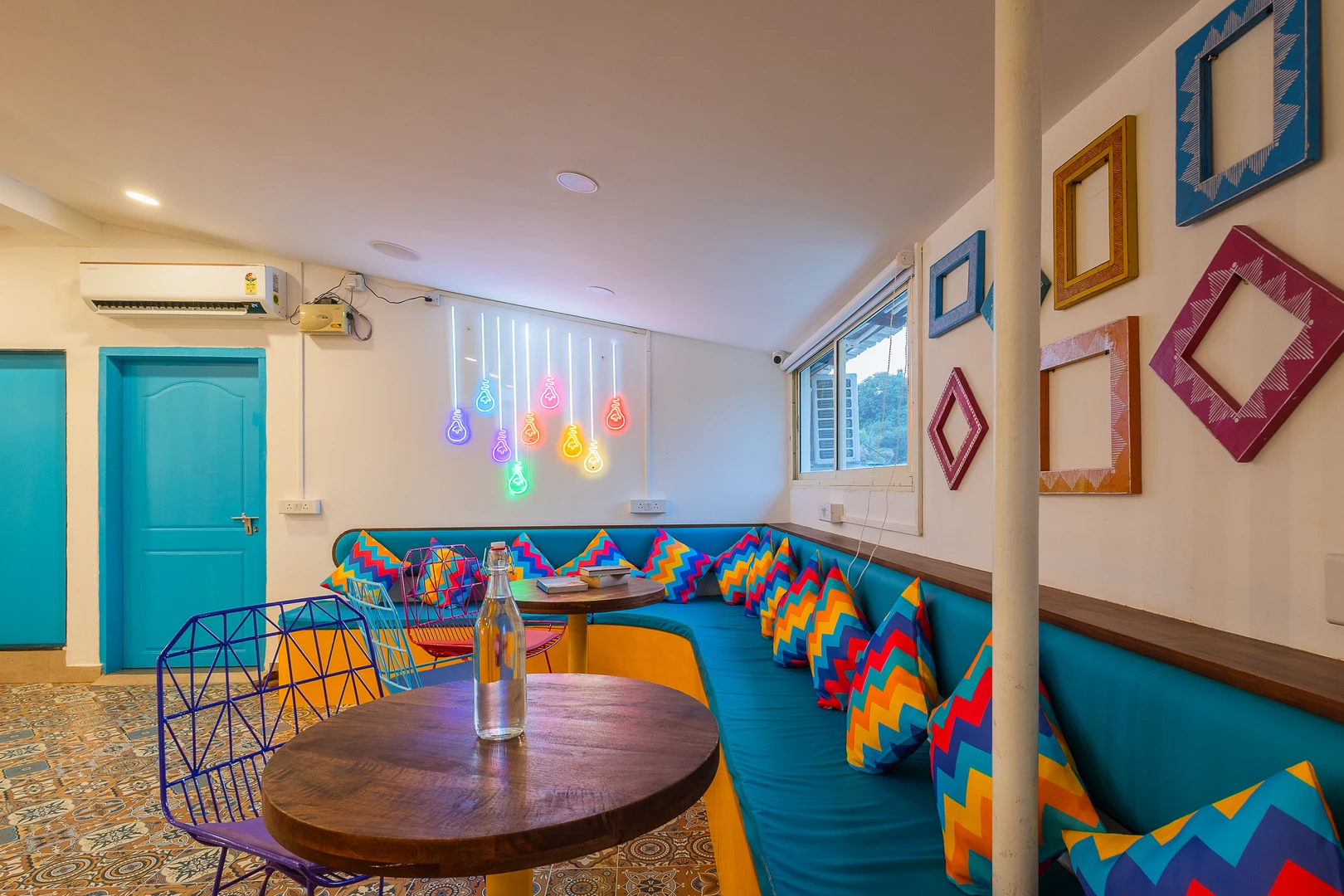
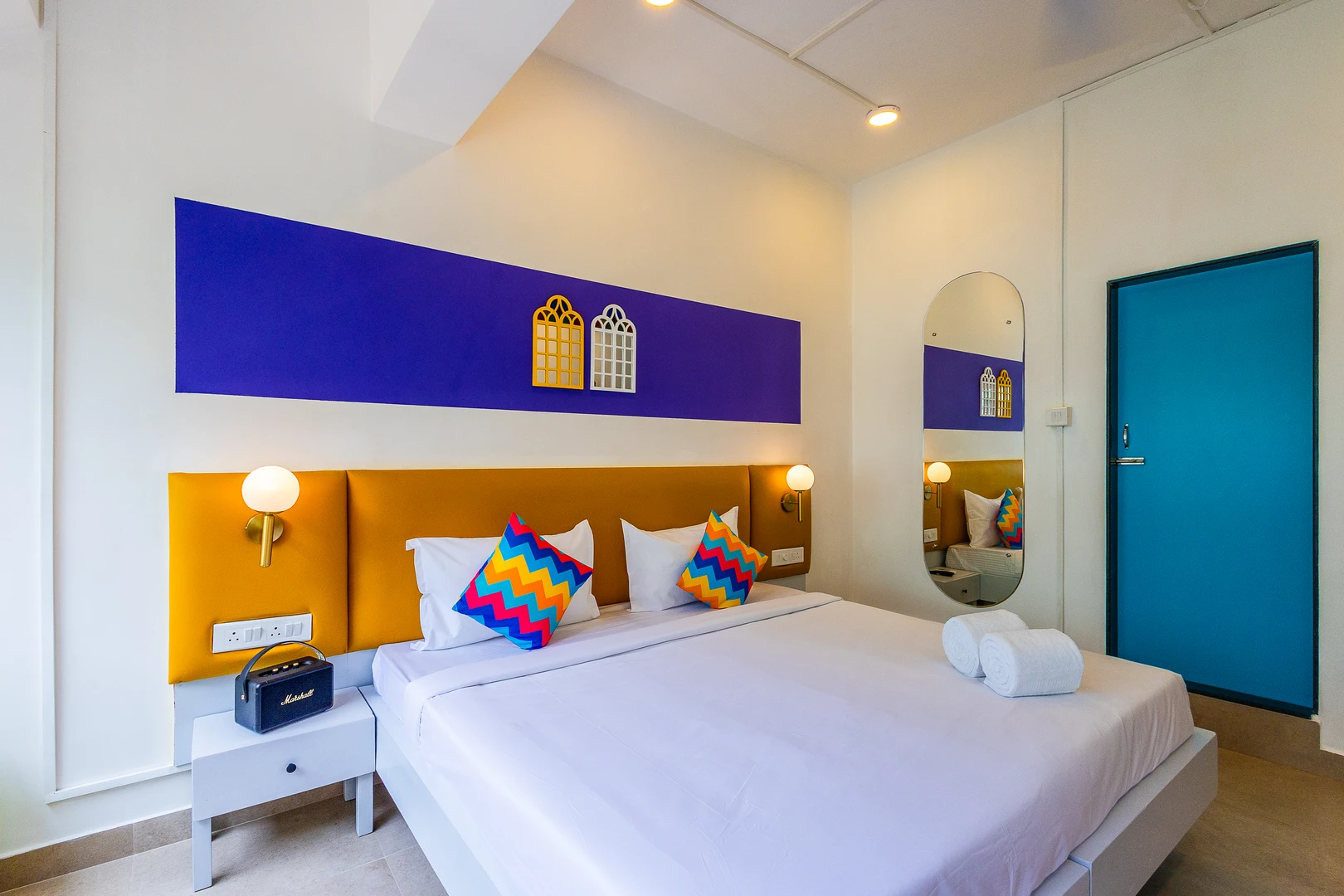
Dorm bed or private room, your pick — air-conditioned, with an ensuite washroom.
All 4 meals daily, including high tea
Every meal throughout the retreat, from arrival dinner to the closing day.
The full Antaranga programme
Day Zero initiation through the Day Two closing circle.
Both facilitators, every session
Every rasa block facilitated jointly by Arka Mukhopadhyay & Pompi Banerjee.
All breath, sound and movement sessions
Including the Tibetan singing bowl work, played by the facilitators.
Journaling & reflection materials
Journaling prompts and the chart-paper reflection materials.
Not included
Reaching Candolim: fly into Goa — Mopa (Manohar International) or Dabolim — then a short transfer to the property in Sequira Vaddo. Full travel notes are shared after booking.
YOUR FACILITATORS
Held by two very different practices
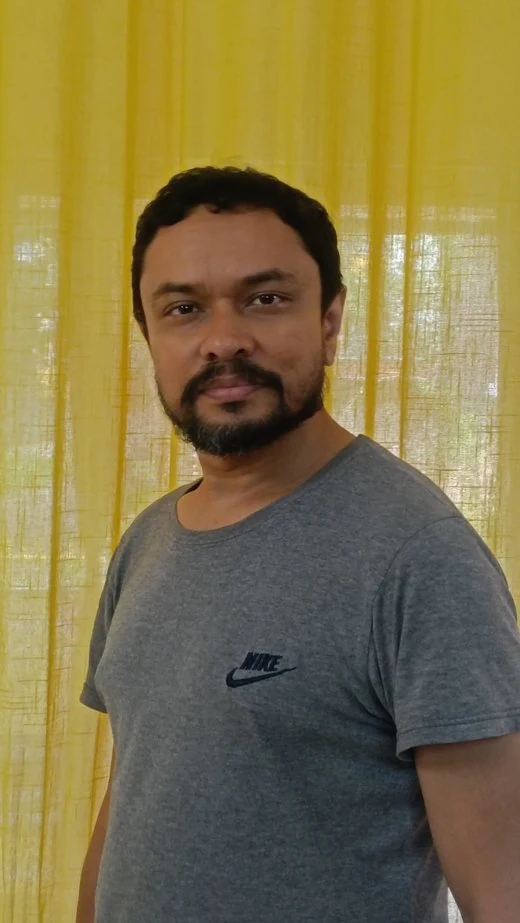
Arka Mukhopadhyay
A theatre artist, martial artist, poet, movement practitioner and presence coach who has performed and taught across India, Singapore and Europe as a solo Shakespeare performer. Since 2006, he has run embodiment and movement-based work with schools, NGOs and corporates alike — from TCS and HSBC to IIT Gandhinagar and JNU. He trains in Kalarippayattu, and folds martial-arts movement, breathwork and mindfulness into the same practice he uses to coach leadership presence and public speaking.

Pompi Banerjee
Pompi creates safe spaces where people can face what scares them and come out stronger. A counselling psychologist with 15+ years in trauma-informed practice, she has facilitated embodied, community-based workshops for thousands of participants. For Antaranga, she brings her grounding in somatic and trauma-informed care to guide participants through the Navarasa — helping them fully feel grief, fear and anger, not just joy, through breath and movement.
Pick how you want to stay
Same retreat,
your choice of room
This retreat has ended. Bookings are closed.
Shared Dorm
- 2 nights in a shared dormitory bed
- All 4 meals daily, including high tea
- Full 3-day Antaranga programme
Private Room
- 2 nights in a private room
- All 4 meals daily, including high tea
- Full 3-day Antaranga programme
Taxes extra. Same retreat, same facilitators, same meals — the only difference is your room. Taxes will be applied at checkout.
WHERE YOU'LL STAY
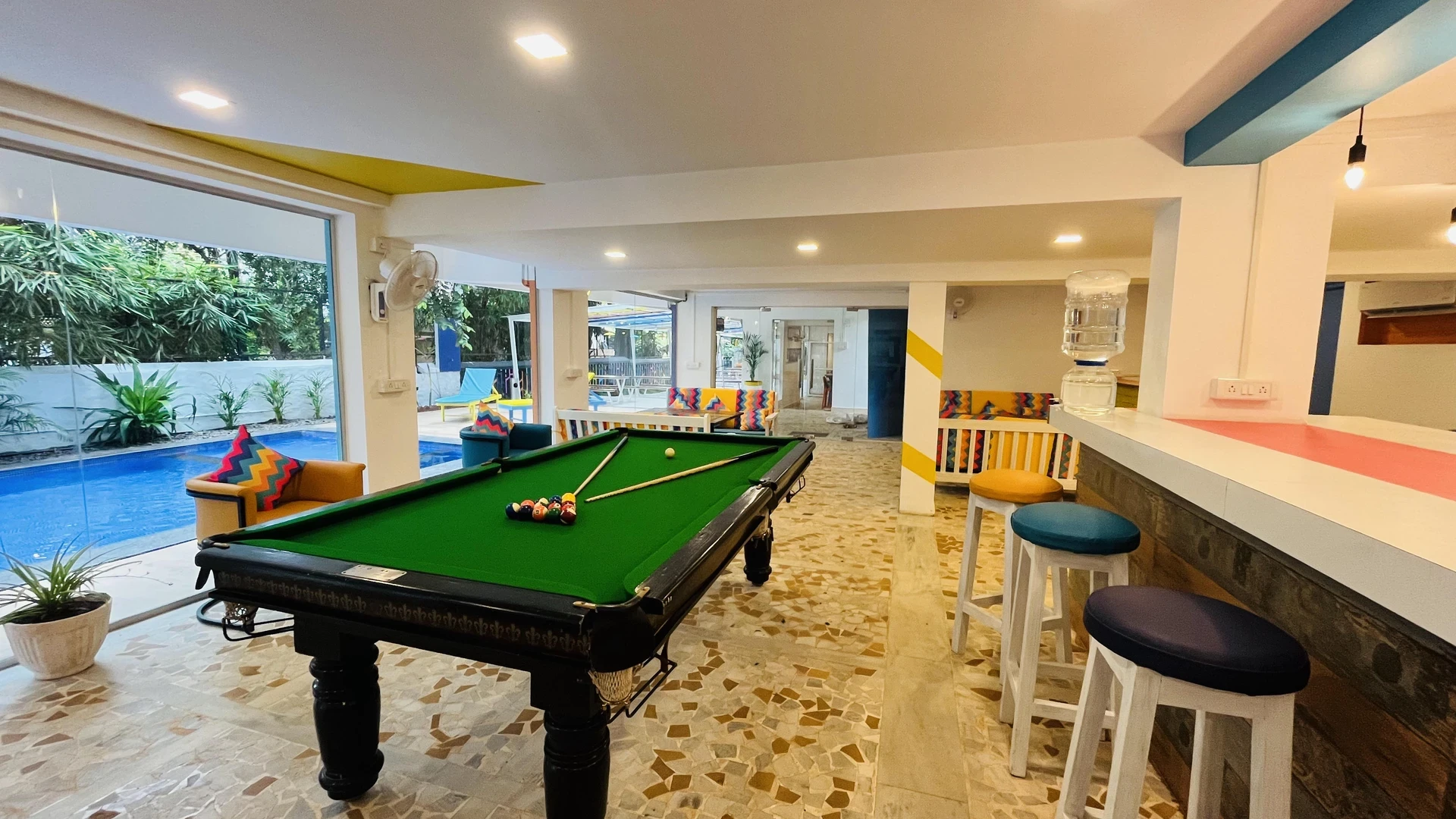
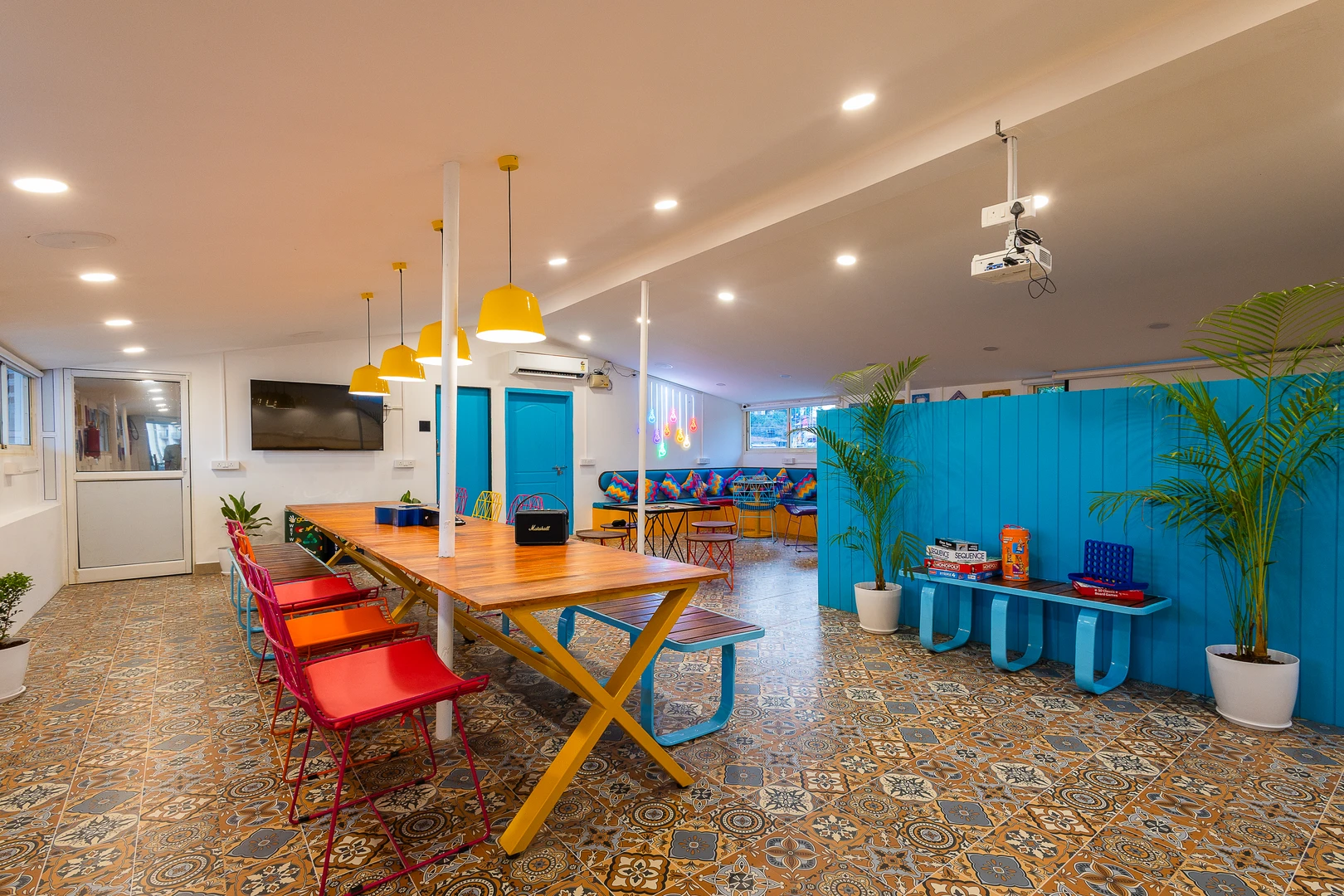
goSTOPS Candolim PLUS
NEED HELP?
Frequently Asked Questions
Find answers to common questions about our services and offerings
Do I need any theatre, movement or yoga experience?
Will I be asked to share difficult personal stories in front of the group?
Sessions touch grief, anger and fear directly — is this held safely?
What should I bring?
How do I reach the venue in Candolim?
What if my plans change after booking?

Come sit
with all of it
Ten to twenty seats, one weekend in Candolim — grief, anger, wonder and joy, all given room.
See pricing